5 Roofing Mistakes That Will Void Your Warranty
Roof warranties are full of fine print that homeowners discover only after a problem appears. Here are the five mistakes that will void yours.
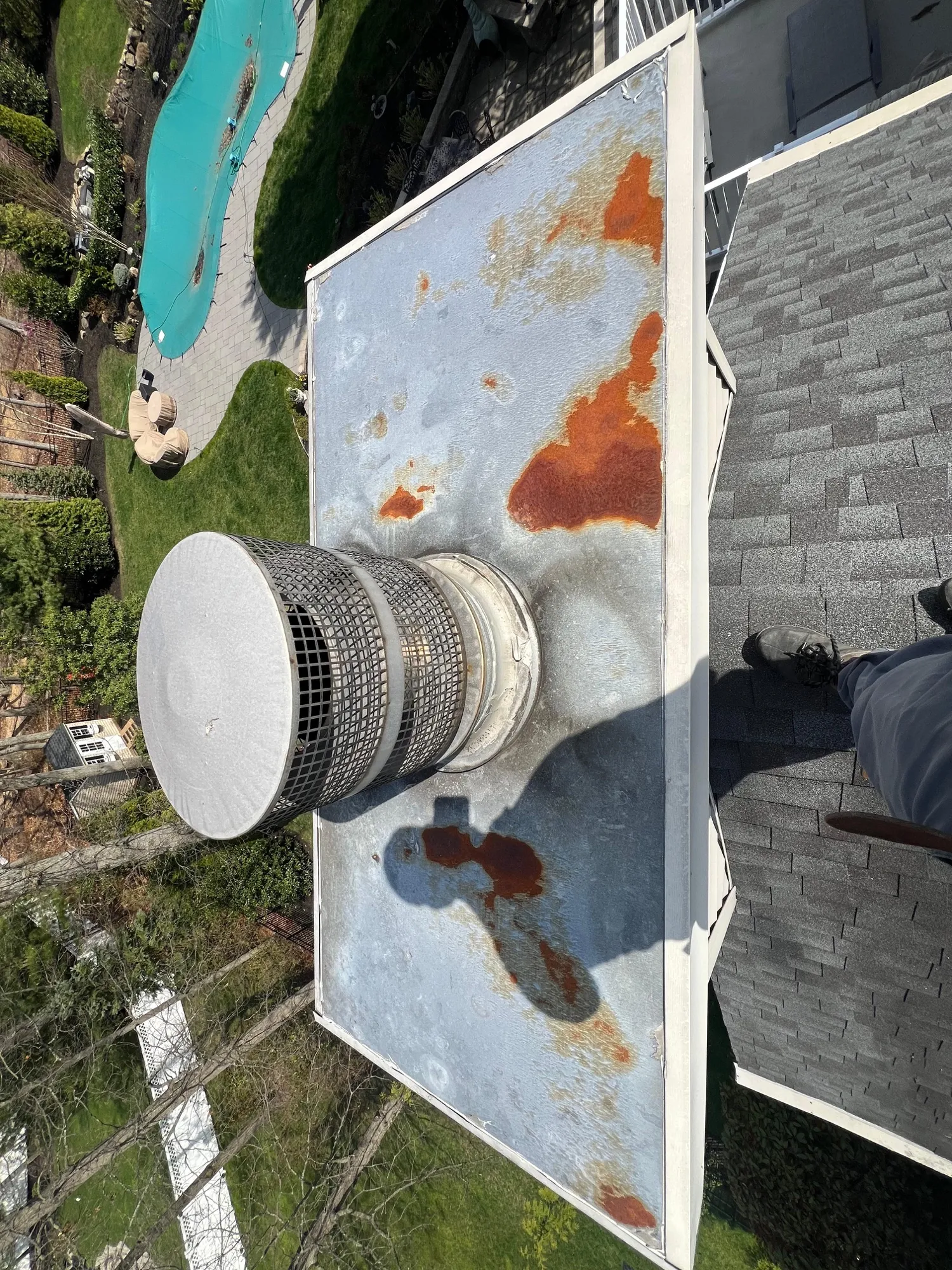
Manufacturer warranties on premium asphalt shingles often advertise “Lifetime” or “50 Years.” That sounds reassuring — until you actually need to use the warranty and discover it’s full of conditions.
Here are the five mistakes we see most often that void roof warranties. Some are obvious; some are surprising.
Mistake 1: Bad installation by a non-certified contractor
Most major shingle manufacturers (GAF, CertainTeed, Owens Corning) offer two tiers of warranty:
- Standard manufacturer warranty: Comes with any properly installed roof
- Enhanced warranty: Requires installation by a manufacturer-certified contractor
The enhanced warranty is much better. It usually includes labor and material coverage, transferability to new owners, and longer terms. But it’s only available if a certified contractor installs it.
If your contractor isn’t certified, you get the basic warranty — which is dramatically less generous.
We’re certified by major manufacturers and can register your roof for the enhanced warranty as part of every installation. Always ask your contractor what warranty tier you’re getting and whether they’re authorized to register it.
Mistake 2: Layering shingles instead of tearing off
Some homeowners (and shady contractors) save money by installing new shingles directly on top of old ones. This is called “roof-over” or “layering.”
Almost every manufacturer warranty is voided by this. Here’s why:
- Layered shingles don’t lay flat, so the new ones wear unevenly
- The contractor can’t inspect the decking underneath, so existing damage stays hidden
- The added weight stresses the framing
- The trapped heat between layers degrades both the old and new shingles faster
- Building codes in NJ generally limit the number of layers allowed
If you’re getting quotes that mention “roof-over” as an option to save money, walk away. The savings now will cost you the warranty later.
Mistake 3: Inadequate attic ventilation
This is the surprise on every list. Most homeowners don’t realize that roof warranties require proper attic ventilation to remain valid.
Why? Because shingles installed over a poorly ventilated attic age much faster than shingles over a properly ventilated attic. Manufacturers don’t want to honor warranty claims on roofs that failed because of attic conditions, not the shingles themselves.
The ventilation requirement is usually 1 sq ft of net free vent area per 150 sq ft of attic floor space, split evenly between intake (soffit) and exhaust (ridge).
If your contractor installs a new roof without checking and addressing attic ventilation, your warranty may be void from day one — and you might not find out until something goes wrong.
We always inspect attic ventilation as part of any roof replacement and either confirm it’s adequate or correct it before we install.
Mistake 4: Improper underlayment or accessories
Manufacturer warranties often require specific products to be installed alongside the shingles:
- Specific underlayment (not just any roofing felt)
- Ice and water shield in required locations
- Drip edge at all eaves and rakes
- Specific ridge vents
- Specific starter strips
- Specific hip and ridge caps
If your contractor uses generic substitutes — even functionally equivalent ones — you can lose the enhanced warranty. The manufacturer wants their accessories with their shingles because they’ve engineered them to work together.
We use manufacturer-matched accessories on every premium installation precisely so the warranty holds.
Mistake 5: Failure to maintain the roof
Almost every warranty has a “reasonable maintenance” requirement. This usually means:
- Cleaning gutters at least twice a year
- Removing debris from the roof
- Trimming overhanging tree branches
- Promptly repairing storm damage
- Annual or biennial inspections
If a leak develops because clogged gutters caused ice damming, the manufacturer may decline to cover it under warranty. The argument is that the failure was caused by neglect, not by a product defect.
Keeping records of inspections (especially professional inspection reports) helps you maintain warranty validity and gives you documentation if you ever need to file a claim.
Other common warranty killers
A few more to be aware of:
- Walking on the roof excessively — for solar installation, satellite dish mounting, decoration, etc. — can damage shingles and void warranty
- Pressure washing — strips granules and is explicitly excluded by most warranties
- Painting or coating shingles — voids warranty
- Transferring ownership without registering the transfer — some warranties require notification within 30–60 days of a home sale
- Hail or wind damage above warranty thresholds — these are covered by insurance, not the manufacturer warranty
- Installation in extreme cold weather — some manufacturers void warranties for installations below specific temperatures
What to ask before signing a roofing contract
To make sure your warranty is solid, ask your contractor:
- “Are you a manufacturer-certified contractor for the shingles you’re installing?”
- “Are you registering me for the enhanced warranty, and what does that include?”
- “Are you using all manufacturer-matched accessories?”
- “Are you addressing my attic ventilation if it’s inadequate?”
- “Will you provide me with the warranty paperwork and registration confirmation?”
A good contractor will answer all five clearly and put it in writing. A bad contractor will dodge — and that’s your warning sign.
Our approach
We’re certified by major shingle manufacturers and register every customer’s roof for the highest-tier warranty available. We use manufacturer-matched accessories on every job. We address attic ventilation as part of every replacement. And we provide all warranty paperwork with documentation.
Plus, our own lifetime craftsmanship guarantee covers anything the manufacturer doesn’t.