5 Warning Signs Your NJ Home Needs a New Roof
Most roof failures don't happen overnight — they whisper for months before they shout. Here are the five warning signs every New Jersey homeowner should know.
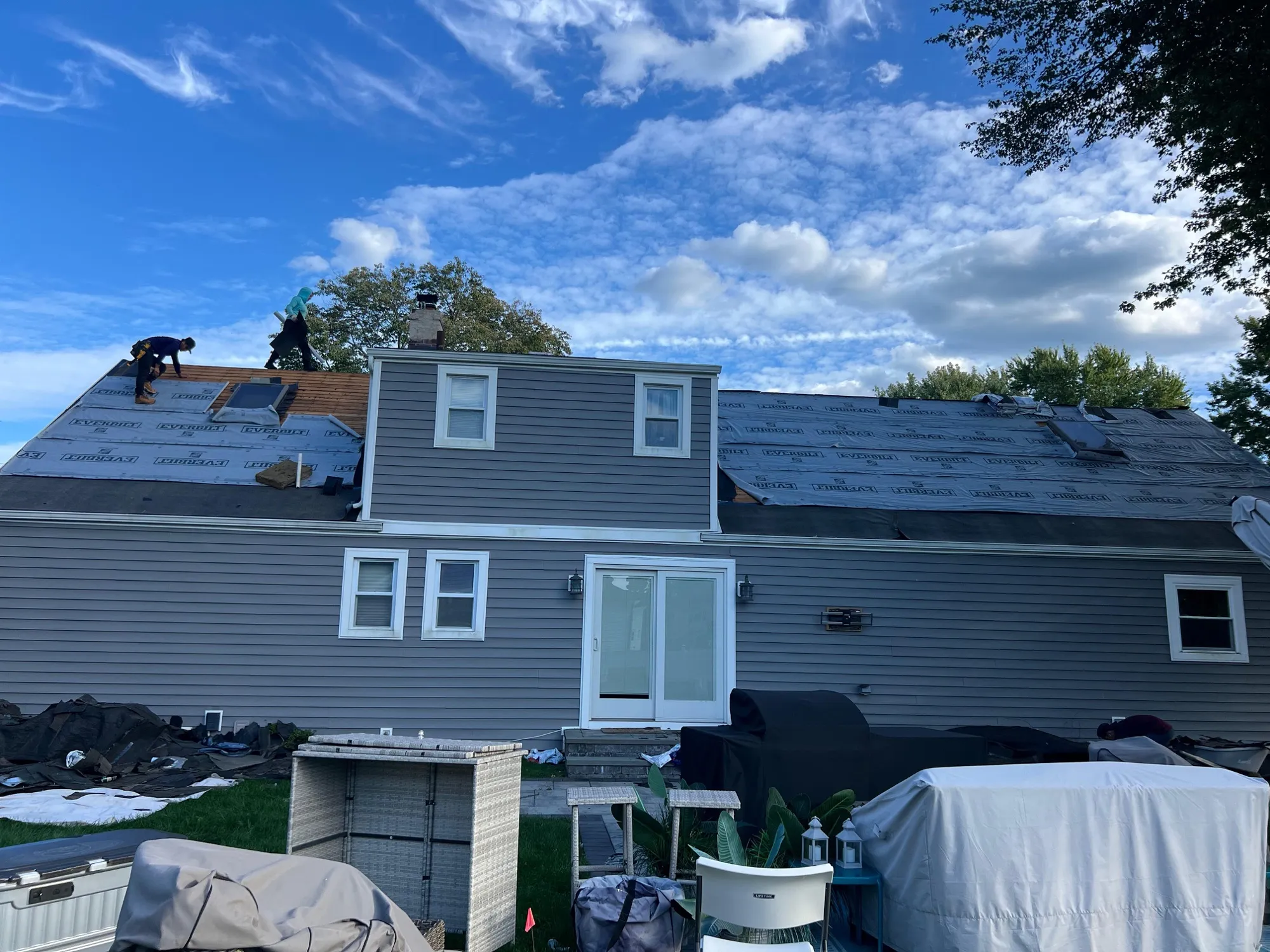
After more than twenty years on rooftops across New Jersey, we’ve learned a hard truth: by the time most homeowners call us, the roof has been failing for years. The signs were there — they just looked small enough to ignore.
Here are the five warning signs we see most often. If you spot any of them, the smart move is to get a free inspection before a small problem turns into a ceiling stain, an insurance claim, or a much bigger bill.
1. Curling, cracked, or missing shingles
Walk around your house and look up. Asphalt shingles are designed to lay flat against each other. If you see edges curling up at the corners, cracks running across the surface, or bare spots where shingles have blown off entirely, the protective layer of your roof is breaking down.
In New Jersey, the freeze-thaw cycle is brutal on old shingles. Water gets into tiny cracks, freezes, expands, and pries the shingle apart from the inside. By the time you see the damage from the ground, it’s well underway from above.
What it means: Localized damage might just need a repair. But if you see curling or cracking across multiple sections, the whole roof is reaching the end of its life.
2. Granules in your gutters
Asphalt shingles are coated with mineral granules — that’s the gritty texture you see on the surface. The granules protect the asphalt underneath from UV damage and impact. As the shingle ages, those granules wash away.
Where do they go? Down into your gutters and downspouts. The next time you clean your gutters (or after a heavy rain, check the splash area below your downspout), look for what looks like coarse black sand. That’s your roof, slowly disappearing.
What it means: A little bit of granule loss is normal, especially on a new roof. But heavy granule loss — enough to clog or coat the bottom of your gutters — is a sign the shingles are nearing the end of their useful life.
3. Sagging or visible dips in the roofline
Stand across the street from your house and look at the ridgeline. It should be perfectly straight. If you see any dips, sags, or waviness, you have a structural problem.
Sagging usually means the roof decking underneath has been weakened — by trapped moisture, rotted plywood, or in worst cases, compromised rafters. This is not a wait-and-see problem. A sagging roof is a roof that’s failing at the structural level, and the longer you wait, the more expensive the fix becomes.
What it means: Call someone immediately. This is one of the few roof problems that can become genuinely dangerous if ignored.
4. Daylight or stains in the attic
If you can safely get into your attic, take a flashlight on a sunny day and look around. Turn off the light. If you see daylight peeking through the roof boards or around the chimney, you have holes that water is also coming through.
Even if you don’t see daylight, look for stains: dark patches on the wood, water trails running down the rafters, or spots that look damp. These are almost always coming from a roof leak — even if you haven’t seen any water damage in your living spaces yet.
What it means: Where there’s water, there’s eventually mold and rot. Catching attic moisture early means a smaller, cheaper fix.
5. Your roof is over 20 years old
Most asphalt shingle roofs in our area are rated for 20 to 30 years. In reality, with New Jersey’s weather, even premium shingles often start showing serious wear at the 18-20 year mark.
If you’re not sure how old your roof is, check with your home inspector’s report from when you bought the house, or call us — we can usually tell within a few years just by looking.
What it means: Even if your old roof looks fine from the ground, it’s worth getting an inspection so you can plan ahead instead of being caught off guard by an emergency.
What to do next
If you spotted any of these warning signs, the next step is a free inspection. We’ll come out, walk the roof, take photos of anything we find, and give you an honest answer about what needs to be done — and just as important, what doesn’t.
We don’t pressure people into replacements they don’t need. Sometimes a few hundred dollars in targeted repairs buys you another five years. Sometimes the kindest thing we can tell you is that the roof is shot and the smart move is to plan for replacement before winter. Either way, you’ll get the truth.