The True Cost of Ignoring Chimney Repairs
A $400 chimney repair turned into a $14,000 ceiling, wall, and roof job. Here's how it happened — and how to avoid it.
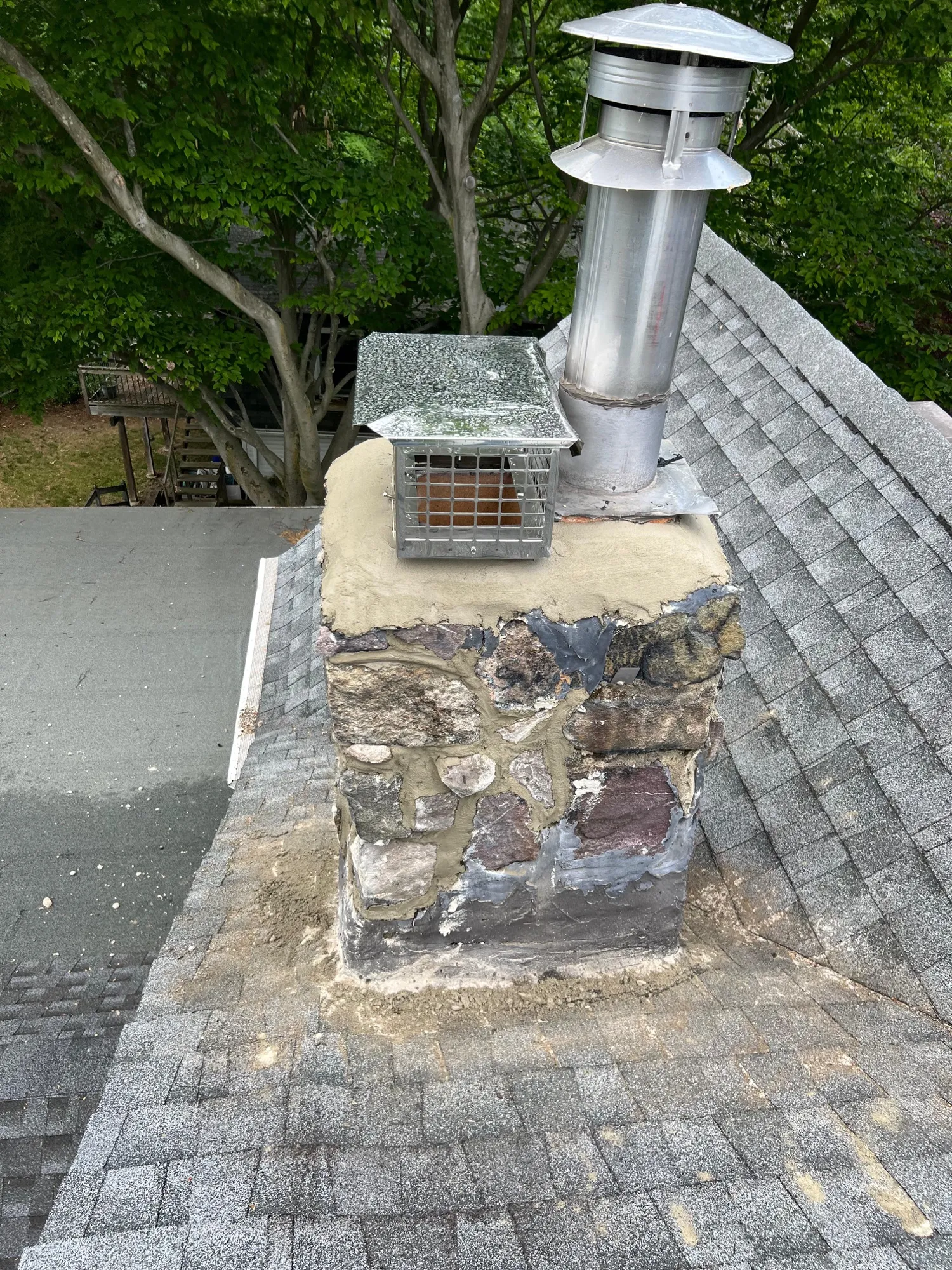
A homeowner in Bergen County called us last spring with a small problem: water staining on the ceiling near her chimney. She’d noticed it eight months earlier but figured she’d “deal with it later.”
By the time we got there, “later” had cost her about fourteen thousand dollars.
This isn’t a horror story to scare you. It’s a real example of how chimney problems compound, and why the cheapest moment to fix them is always now.
Where it started: a $400 repair
When the staining first appeared the previous summer, the actual problem was a small crack in the chimney crown — the concrete cap at the top of the chimney. Crowns crack as they age. It’s normal and expected. A small crack lets a slow trickle of water into the chimney structure.
If she’d called us then, we would have:
- Cleaned and resealed the crown
- Inspected the rest of the chimney
- Charged about $400
Total project time: half a day. End of problem.
Eight months later: the cascade
Water trickled through that small crack every time it rained. Over eight months, here’s what happened:
Inside the chimney structure: The water saturated the masonry, then froze and thawed through fall and winter. Bricks started spalling. Mortar joints crumbled. By spring, the upper third of the chimney was structurally compromised.
Underneath the flashing: The water that didn’t stay in the chimney ran down to the flashing where the chimney meets the roof. The flashing was fine on top, but water was pooling under it because the chimney was no longer shedding water properly. The plywood decking around the chimney started rotting.
Inside the attic: Water that made it past the flashing ran along the attic side of the roof, soaked into insulation, and dripped onto the ceiling drywall below.
Inside the living room: What started as a small ceiling stain became a 4-foot bulge of soaked drywall. The plaster behind it had molded.
Inside the wall: Water tracking down the framing soaked into the wall studs and caused mold behind the painted surface. By the time we did the inspection, you could smell it.
The repair: $14,000
Here’s the breakdown of what it took to fix:
| Work | Cost |
|---|---|
| Partial chimney rebuild (top 4 feet) | $4,200 |
| New crown, cap, and waterproofing | $800 |
| New step flashing and counter-flashing | $1,100 |
| Roof decking replacement (8 sheets of plywood) | $1,400 |
| Replacement shingles around affected area | $900 |
| Attic insulation removal and replacement | $1,200 |
| Mold remediation (wall and attic) | $2,400 |
| Drywall replacement (ceiling and wall section) | $1,500 |
| Repaint affected rooms | $650 |
| Total | ~$14,150 |
That’s 35x the cost of the original repair.
How could she have known?
The honest answer: a free inspection would have caught it. The early warning signs were:
- Slight ceiling staining (she noticed but ignored)
- White efflorescence on the chimney exterior (she didn’t notice)
- Mortar dust at the base of the chimney (she didn’t notice)
- A hairline crack in the crown (only visible from above)
Most chimney problems are like this. The signs from the ground are subtle. The signs from the roof are obvious — but only if someone goes up and looks.
What you can do today
-
Walk around your house and look up. Are there any new stains? White streaks on the chimney bricks? Crumbling mortar visible from the ground?
-
Check your ceiling near the chimney once a year. Especially in spring after winter freeze-thaw cycles.
-
Look at the chimney from a second-story window if you have one. You can see the upper sections this way without climbing.
-
Get a free inspection every 3–5 years. Or whenever you notice anything new. We’ll go up, take photos, and tell you honestly what we see.
The lesson
Chimney problems don’t go away on their own. They get worse, slowly, until they cross a threshold — and then they get expensive fast.
Catching them early is almost always cheap. Waiting almost always isn’t.