How Long Does a Roof Really Last? Lifespan by Material
Marketing brochures say 30, 40, even 50 years. Reality is usually shorter. Here's what actually happens to roofs in New Jersey weather.
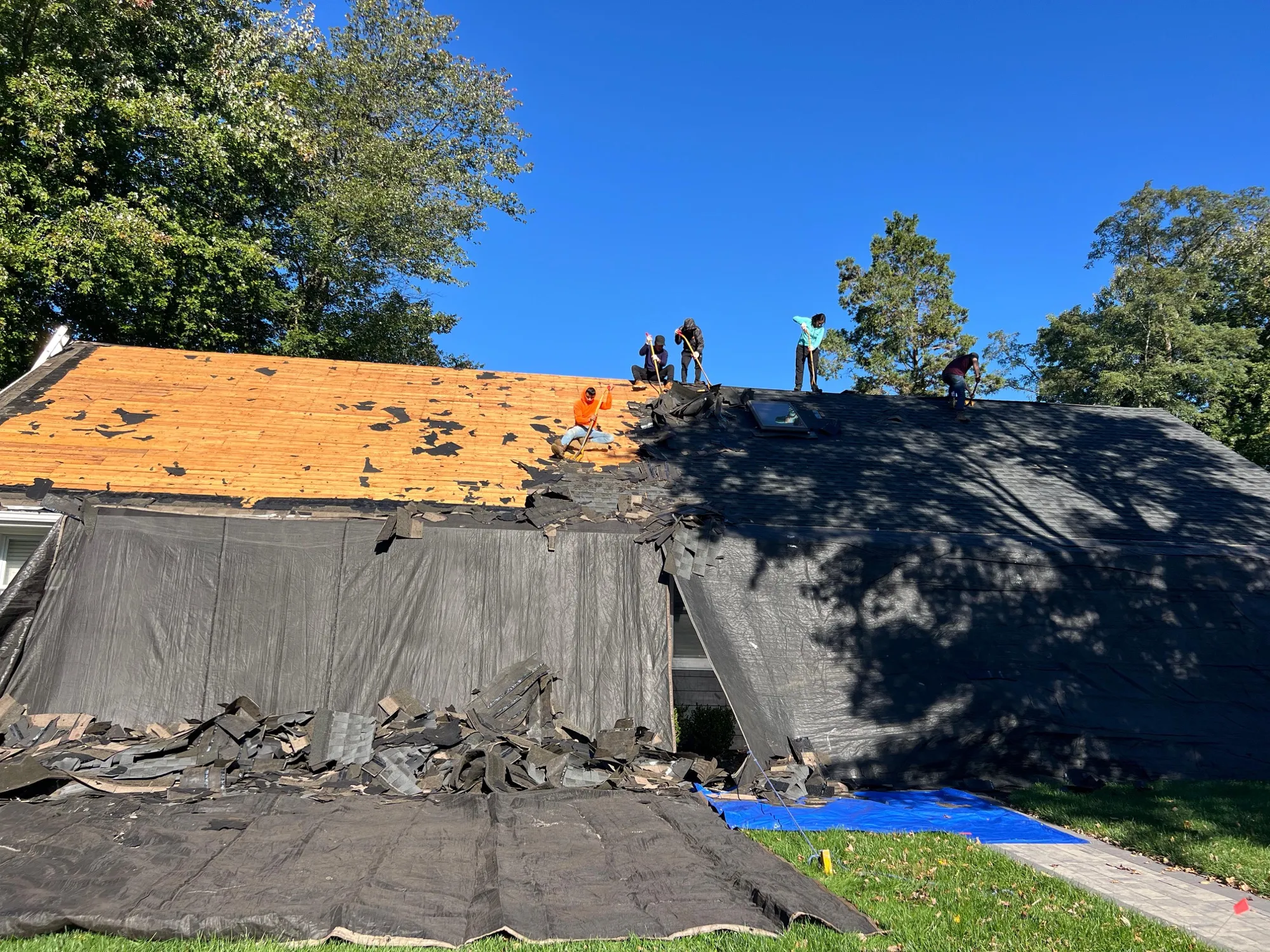
When you buy a new roof, the manufacturer tells you it’ll last 30, 40, sometimes 50 years. The contractor probably says the same thing. Then you replace it 22 years later.
What gives?
The honest answer is that manufacturer warranty length and actual real-world lifespan are not the same thing. Here are the realistic numbers based on what we actually see across hundreds of New Jersey homes.
Asphalt shingles
3-tab asphalt shingles
- Marketing claim: 20–25 years
- NJ reality: 12–18 years
- Why shorter: 3-tab shingles are the cheapest option and have less granule coverage. They lose protection faster, especially on sun-exposed slopes.
Architectural (dimensional) asphalt shingles
- Marketing claim: 30–50 years
- NJ reality: 22–28 years
- Why shorter: New Jersey’s freeze-thaw cycles, summer heat, and occasional severe storms wear shingles faster than the controlled conditions in manufacturer testing.
Premium designer asphalt
- Marketing claim: 50 years
- NJ reality: 28–35 years
- Why shorter: Same reasons. They do last longer than standard architectural, but rarely the full marketed lifespan.
Metal roofing
Standing-seam metal
- Marketing claim: 50–70 years
- NJ reality: 50–60 years
- Why close to claim: Metal genuinely lasts a long time. The main failure mode isn’t material degradation — it’s installation issues at seams and penetrations.
Stone-coated steel
- Marketing claim: 50 years
- NJ reality: 40–50 years
- Why slightly shorter: Coating wears faster than bare metal in harsh weather, but the underlying steel still outlasts most other options.
Aluminum shingles
- Marketing claim: 50 years
- NJ reality: 40–50 years
Other materials
Cedar shake
- Marketing claim: 30 years
- NJ reality: 20–30 years (with maintenance), 15–20 (without)
- Why variable: Cedar requires periodic cleaning and treatment. Without maintenance, moss and rot kill it fast in NJ humidity.
Slate
- Marketing claim: 75–150 years
- NJ reality: 75–100+ years
- Why long: Real slate is essentially permanent. The flashings and underlayment fail before the slate does. We see slate roofs from the 1920s still going strong with periodic maintenance.
Clay or concrete tile
- Marketing claim: 50 years
- NJ reality: 40–60 years
- Why long: Tile is heavy, rot-proof, and weather-resistant. Main risk is impact damage from falling branches.
Flat roof — modified bitumen
- Marketing claim: 20 years
- NJ reality: 15–20 years
Flat roof — EPDM rubber
- Marketing claim: 25–30 years
- NJ reality: 20–25 years
Flat roof — TPO single-ply
- Marketing claim: 25–30 years
- NJ reality: 18–25 years
Why your roof might fail early
Even the best material won’t last its full lifespan if certain things go wrong:
- Bad installation — improper nail placement, missing underlayment, poor flashing details. The biggest factor.
- Inadequate ventilation — traps heat in summer and moisture in winter, both of which destroy shingles.
- Layered installation — installing new shingles over old ones hides damage and shortens life by 20–30%.
- No regular maintenance — clogged gutters, untrimmed branches, undetected damage.
- Storm damage that wasn’t caught — small punctures and lifted shingles compound over years.
- Hot dark color in full sun — increases temperature swings and accelerates aging.
Signs your roof is in its final years
Even before a roof fails outright, it’ll tell you it’s getting close:
- Granules in gutters (asphalt only)
- Curling edges or “fishmouthing”
- Bald spots where granules are completely gone
- Multiple repair calls over 1–2 years
- Visible sag in the roofline
- Recurring small leaks despite repairs
- Algae streaks that don’t respond to cleaning
When to start planning a replacement
Asphalt: Start budgeting at year 18. Get it inspected annually starting year 20. Metal: Generally don’t worry until 40+, but check flashings periodically. Cedar: Inspect annually after year 15. Tile/slate: Have flashings checked every 10 years; the field will outlast you.
Knowing your roof’s age and material is important. If you don’t know, that’s the first thing to find out — your home inspection report has it, or we can usually estimate it during a free inspection.