Should You Repair or Replace Your Roof? A Decision Framework
It's the question every homeowner with an aging roof asks. Here's the honest framework we use when advising customers.
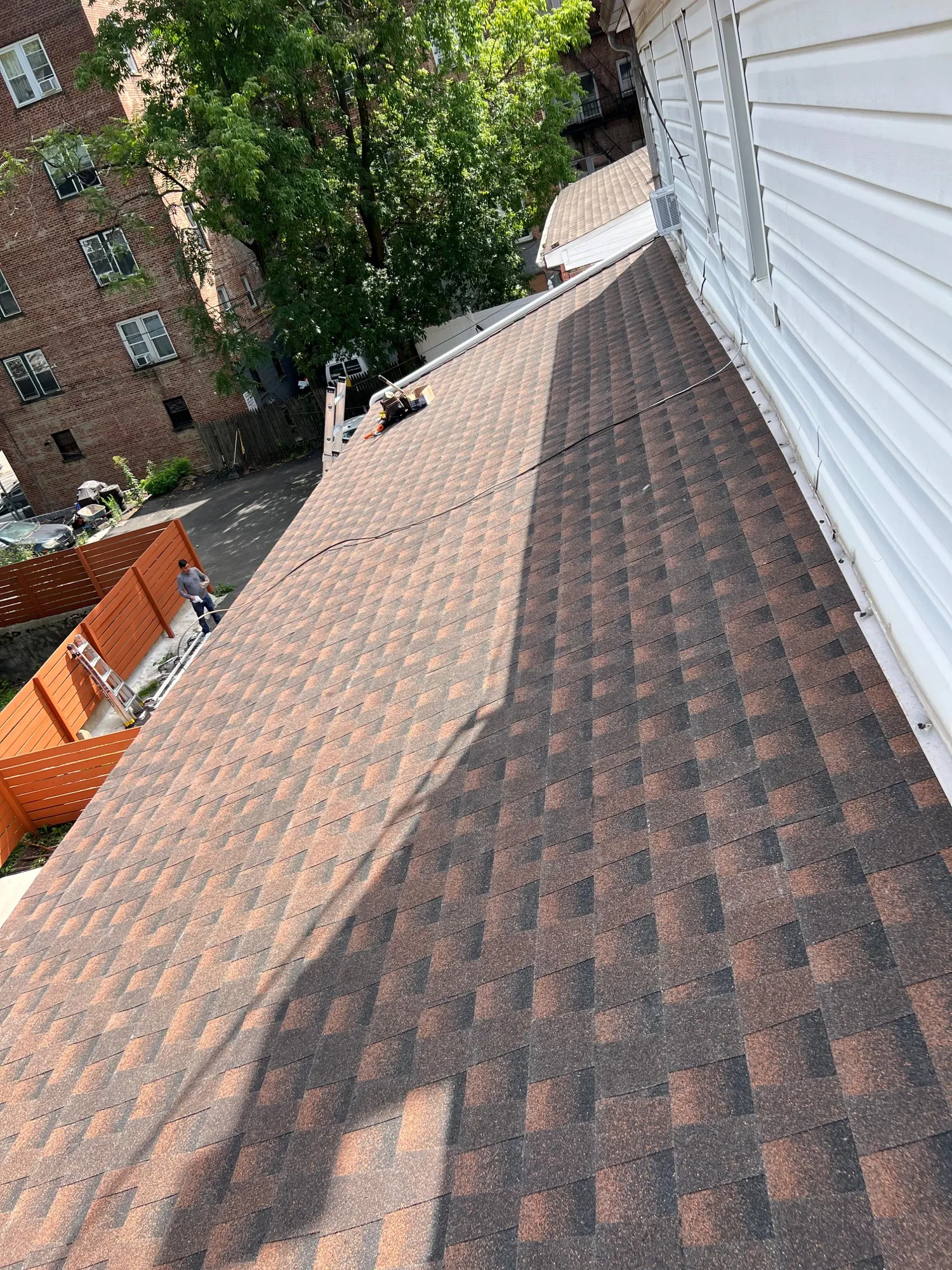
When a roof has a problem, the first question is always: do I repair it or replace it? It’s the right question, but it’s also the question with the most opportunity for a contractor to push you in the wrong direction.
Here’s the honest framework we use to advise customers. Use it to evaluate any quote you get.
The age factor
Age is the single biggest input. Compare your roof’s age to its expected lifespan:
| Roof age | Repair makes sense | Replace makes sense |
|---|---|---|
| 0–10 years | ✅ Almost always | ❌ Only for catastrophic damage |
| 10–15 years | ✅ Usually | 🤔 Depends on damage extent |
| 15–20 years | 🤔 Maybe | ✅ Often the better long-term value |
| 20–25 years | ❌ Rarely worth it | ✅ Usually |
| 25+ years | ❌ Throwing money away | ✅ Yes |
If your asphalt roof is 23 years old and you’re spending $1,500 on a leak repair, you’re probably going to need a replacement in 1–3 years anyway. That $1,500 could go toward the replacement instead.
The damage extent factor
The second input is how much of the roof is affected.
Repair-friendly damage
- A single leak in a known location
- A few wind-blown shingles
- Damaged flashing around one penetration
- One area of granule loss
- A small ice dam aftermath
- A vent boot that’s deteriorated
Replace-friendly damage
- Multiple leaks in different areas
- Widespread granule loss
- Sagging in any part of the roof
- Curling shingles across multiple slopes
- Structural decking damage from prolonged moisture
- Hail damage covering most of the roof
- A patchwork of previous repairs
When the damage is localized, repairs are usually the right call. When it’s spread across multiple areas, it’s a sign the roof has reached its end-of-life.
The “patch on patch” rule
Here’s a heuristic we use: if you’ve had to repair your roof 3 or more times in the last 5 years, the roof itself is the problem, not any specific issue. Each repair is buying you a little time, but the underlying material is no longer reliable. Replacement is the better answer.
A new roof, properly installed, should not need any repair calls for 10–15 years.
The cost ratio test
Add up the cost of the repair you’re being quoted. Compare it to the cost of a full replacement:
- Repair < 25% of replacement cost? Repair is usually the right call (assuming the roof isn’t ancient).
- Repair 25–50% of replacement cost? Decision depends on age and damage extent. Get a second opinion.
- Repair > 50% of replacement cost? Almost always replace instead. The repair won’t extend the roof’s life enough to justify the cost.
The decking factor
When we tear off a roof for replacement, we always inspect the plywood decking underneath. If the decking is damaged from old leaks, it has to be replaced too. This adds $300–$1,500 to the project but it’s important — installing new shingles over rotten decking is pointless.
If a contractor proposes major repairs without ever discussing the decking condition underneath, that’s a red flag. They can’t know what’s under there without looking.
The aesthetic factor
Sometimes a repair is structurally sound but looks bad — for example, replacement shingles that don’t match the existing color, or a patch that’s clearly visible from the street. This matters more than people admit, especially if you’re planning to sell within a few years.
If aesthetics will bother you, factor that into the decision. A bad-looking roof affects resale value beyond just the structural concerns.
The selling-soon factor
If you’re planning to sell within 2 years, the calculation changes:
- A roof with obvious issues will reduce offers and slow the sale
- Buyers’ inspection reports will flag problems
- Insurance companies sometimes won’t write policies on roofs near end-of-life
- A new roof can be a major selling point and often recovers 60–70% of cost
If your roof is borderline and you’re planning to sell, replacing usually pays off through faster sale and stronger offers.
The “bandage now, replace later” strategy
Sometimes the right answer is: do a small repair now to stop active damage, and plan a full replacement in 1–3 years.
This works if:
- The repair is genuinely small and cheap
- You can afford to plan and save for the replacement
- The roof isn’t likely to have new problems before then
- The damage is limited to one specific area
It doesn’t work if:
- The roof is failing in multiple areas
- The repair cost is significant
- You can’t afford new problems if they emerge
When contractors push the wrong way
A few warning signs that you’re being pushed in the wrong direction:
Toward unnecessary replacement
- Quote that doesn’t include any repair option
- “The whole roof needs to come off” without specifics about what’s wrong
- High-pressure sales tactics
- “Today only” pricing
- Refusal to provide photo documentation of damage
Toward inadequate repair
- “I can fix that for $300” on a roof that’s clearly failing
- Caulk and sealant as the primary fix for flashing problems
- Repair without inspecting the underlying decking
- “Layered” patch where new shingles go over damaged old ones
A trustworthy contractor will discuss both options openly when both are viable, and will recommend the one that’s actually right for your situation.
Our approach
When we inspect a damaged roof, we tell you exactly what we found, document it with photos, and give you our honest recommendation. If a $400 repair will buy you 5 more years, we say that. If you’re throwing money down the drain, we say that too. The decision is always yours.