Spring Roof Inspection Checklist for NJ Homeowners
Winter is brutal on roofs. Spring is the right time to assess the damage, fix what's broken, and plan for the year ahead. Here's the checklist.
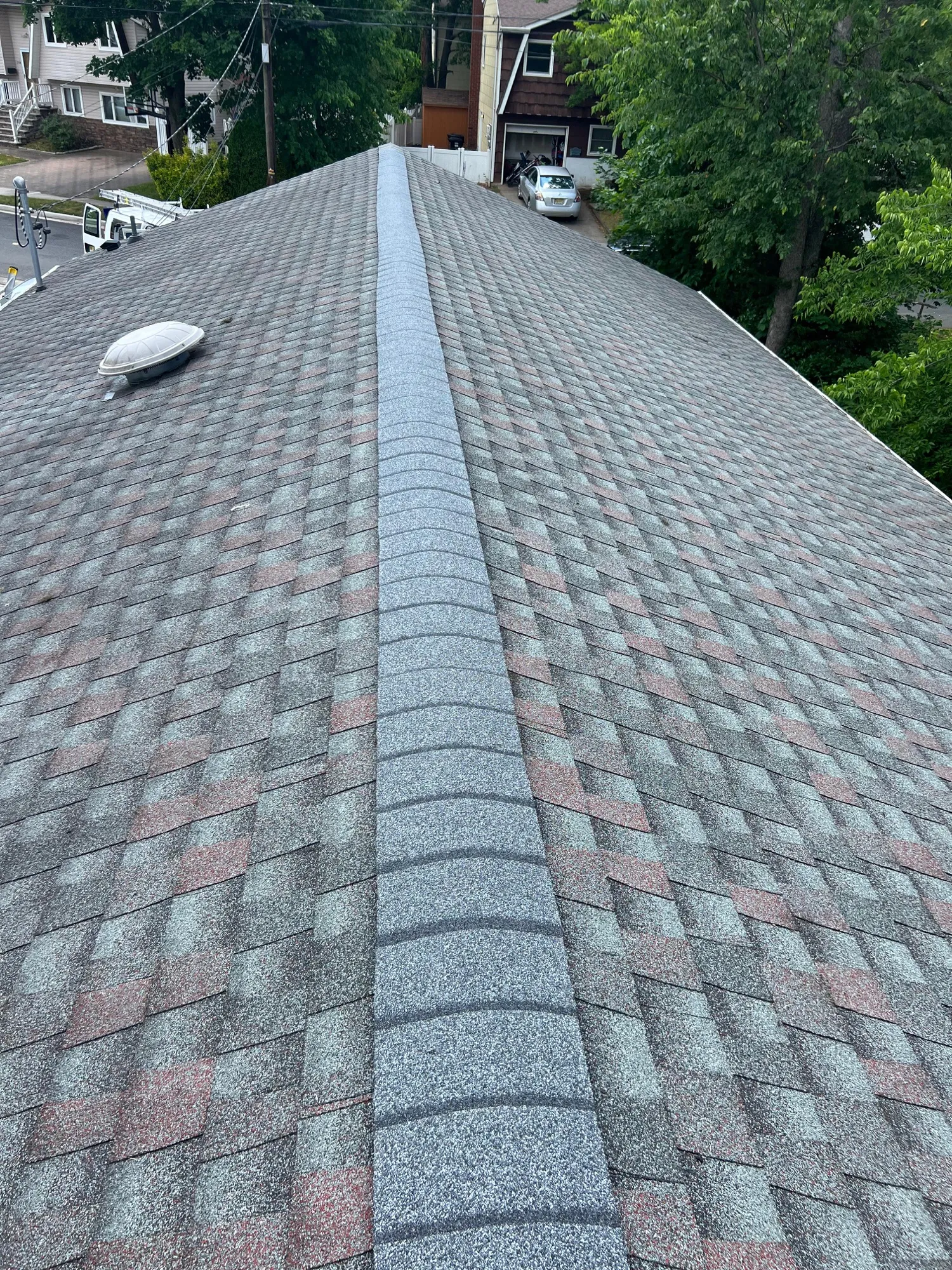
A New Jersey winter typically includes 3–6 freeze-thaw cycles, several wind events, and at least one significant snowstorm. By the end of March, even a brand-new roof has been worked over. By the end of March on a 15-year-old roof, things might be quietly going wrong.
Spring is the right time to walk through what winter did. Here’s the checklist we use.
Outside the house
From the ground (binoculars help)
- Look at every slope of the roof. Any missing, cracked, curled, or lifted shingles?
- Are there bare spots where granules have washed away?
- Is the ridge straight? Any sag or wavy lines?
- Check around chimneys, vents, and skylights for visible damage
- Look at the gutter line for sagging, rust, or pulled-away brackets
- Check that downspouts aren’t crushed or detached
- Look for any new staining on siding below the roof line
Walking the perimeter
- Pick up any shingle granules in the splash area below downspouts
- Check landscaping mulch under gutters for accumulated granules
- Look for any roofing material in the yard (a clear sign of wind damage)
- Inspect fascia boards for new water staining or peeling paint
- Check the foundation for water damage from gutter overflow
Chimney
- White streaks (efflorescence) on the bricks?
- Mortar dust at the base?
- Visible cracks in the crown? (Use the binoculars)
- Cap still intact?
- Any tilting or visible lean?
Inside the house
In the attic (if accessible)
- Walk around with a flashlight, look for new water staining on rafters or sheathing
- Check insulation for damp spots
- Smell test — any musty odor that wasn’t there last year?
- Look for daylight where it shouldn’t be (around vents, chimney, hatch)
- Check that soffit vents aren’t blocked with insulation
- Verify no animals moved in over the winter
In the upper rooms
- Look at every ceiling, especially near exterior walls and chimneys
- Any new yellow or brown stains?
- Any peeling paint where there wasn’t before?
- Sagging or bulging anywhere?
- Check around skylights and exhaust vents
In the basement (water damage tracks down)
- Look at the band joist (where the wall meets the foundation) for water stains
- Check the area below windows for any new staining
- Run the sump pump test if you haven’t recently
The gutters
This is the single most important spring task because clogged gutters cause more spring damage than any other issue.
- Clean out all leaves, debris, and grit from winter
- Check that water flows freely from each downspout
- Test for leaks at corners and joints
- Verify the slope is correct (water should flow toward downspouts)
- Make sure downspout extensions are in place and direct water 4+ feet from foundation
- Check gutter guards for damage if you have them
Trees
Winter wind, ice loading, and snow accumulation kill weak branches. Spring is when they finally drop.
- Walk under every tree near the house, look for hangers (branches that are partially broken)
- Check for branches now touching the roof that weren’t last year
- Plan to trim anything within 6 feet of the house
Decisions to make this spring
After running the checklist, you’ll have one of three answers:
“Everything looks good”
Great. Schedule one more professional inspection in 2–3 years. Keep the gutters clean. Move on.
”I see some minor issues”
Things like a few lifted shingles, minor flashing rust, or sagging gutters. Fix them this spring before they become major issues. Most of these are quick repairs.
”I see something concerning”
Recurring leaks, significant sag, multiple bare patches, or anything you’re not sure about. Call us for a free professional inspection. We’ll go up with cameras, take detailed photos, and tell you honestly whether it’s an easy fix or something bigger.
Why spring matters more than fall
Fall inspections focus on prevention — getting the roof ready for winter. Spring inspections focus on assessment — finding what winter broke.
Most homeowners do one or the other. Doing both is ideal, but if you’re only doing one, make it spring. A spring inspection catches problems before they have a full year to get worse.
Free spring inspections
We do free roof inspections year-round, but we get the most calls in March, April, and May for exactly this reason. Schedule early — our spring calendar fills up fast.