What to Do After Storm Damage: An Emergency Roofing Guide
A tree's down. Shingles are scattered across the yard. There's water in the ceiling. Here's exactly what to do, step by step, in the first 48 hours.
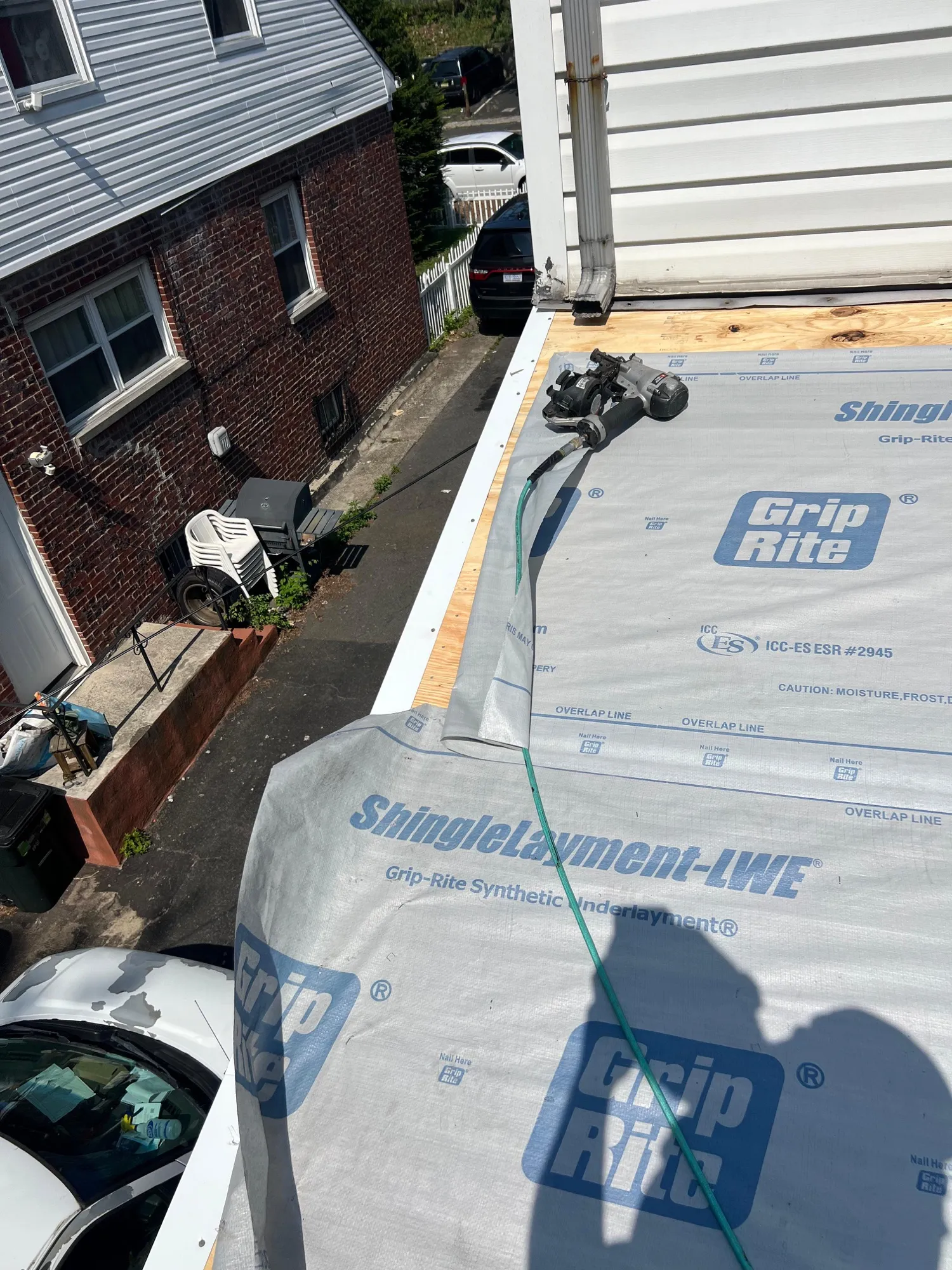
The aftermath of a major storm is a stressful time to make good decisions. So if you’re reading this before something happens, save the page. If you’re reading it during an emergency, work the list top to bottom.
First: is anyone safe?
Before you worry about the roof, check the people. Get everyone away from any compromised structures. If the ceiling is sagging, evacuate that room. If the storm is still active, stay inside.
Then call 911 if there’s any structural collapse or live electrical hazards.
Step 1: Document everything before you touch anything
Insurance claims live and die by photos. Before you move a single fallen branch:
- Photograph the exterior of the house from every angle
- Get close-ups of any visible damage
- Photograph the inside of every affected room
- Take photos of damaged contents
- Save photos with timestamps (your phone does this automatically)
The more documentation you have, the smoother the claim will be.
Step 2: Stop active water intrusion
If water is actively coming into the house, you need to slow or stop it before further damage:
- Inside: Move furniture and valuables out of the affected area. Place buckets under leaks. Throw plastic sheeting over electronics and rugs.
- Ceiling bulges: A bulging ceiling means water has pooled above. Carefully poke a small hole at the center of the bulge with a screwdriver to let it drain into a bucket. This sounds counterintuitive, but it prevents the entire ceiling from collapsing.
- Outside: Don’t go up on a wet, damaged roof yourself. Ever. People die every year doing this.
Step 3: Call your roofer (us)
A reputable local contractor will come out for emergency tarp service, often within 24 hours. The tarp isn’t a repair — it’s a temporary cover to stop more water from getting in until a proper fix can be done.
We charge nothing for the inspection. The tarp service has a flat cost that’s almost always covered by insurance.
Step 4: Call your insurance company
After (or while) you have a roofer en route. Tell them:
- What happened
- What’s damaged
- That you’re getting it tarped to prevent further loss
- That you’d like an adjuster to come out as soon as possible
Insurance companies move faster on calls reporting active damage. Don’t wait.
Step 5: Work with the adjuster — bring a roofer
When the insurance adjuster comes out, ask your roofer to be there at the same time if possible. This is normal and adjusters expect it.
Why? Because the adjuster’s job is to assess what their company will pay for. Your roofer’s job is to make sure they don’t miss damage. Two trained eyes catch more than one.
We document everything we find, take our own photos, and provide a detailed estimate in writing. If the adjuster’s estimate is too low to actually fix the damage properly, we’ll help you push back with documentation.
Step 6: Don’t sign anything you don’t understand
After a major storm, “storm chaser” contractors descend on damaged neighborhoods. They knock on doors, offer free inspections, and try to get you to sign an “Assignment of Benefits” or similar document.
Never sign over your insurance benefits to a contractor you didn’t research. Some of these are legitimate; many are not. Stick with established local contractors who have a permanent business address in your area.
Step 7: Don’t accept the first repair if it’s a hack job
Some insurance companies push for the cheapest possible repair, even when a section replacement makes more sense. If the damage is significant, you may need a full roof replacement, not a patch.
Your contractor should help you make the case to the insurance company. Most reputable adjusters will approve a proper repair when shown the right evidence.
What’s covered, what’s not
Most homeowner policies cover:
- Wind damage
- Hail damage
- Fallen tree damage
- Lightning strikes
- Sudden water intrusion from any of the above
Most policies don’t cover:
- Wear and tear or aging
- Lack of maintenance
- Mold from prolonged untreated leaks
- Damage from floods (need separate flood insurance)
If your roof was already at the end of its life, an insurance claim probably won’t help. But if storm damage created new, sudden problems, you have a strong case.
Save this number
If a storm rolls through and you need help fast:
(201) 699-7258 — call us anytime for emergency tarp service across New Jersey.