Summer Roof Care: 7 Tips for the New Jersey Heat Season
Summer is hard on roofs in different ways than winter. Here's how to protect yours from heat, UV, and the storms that come with the season.
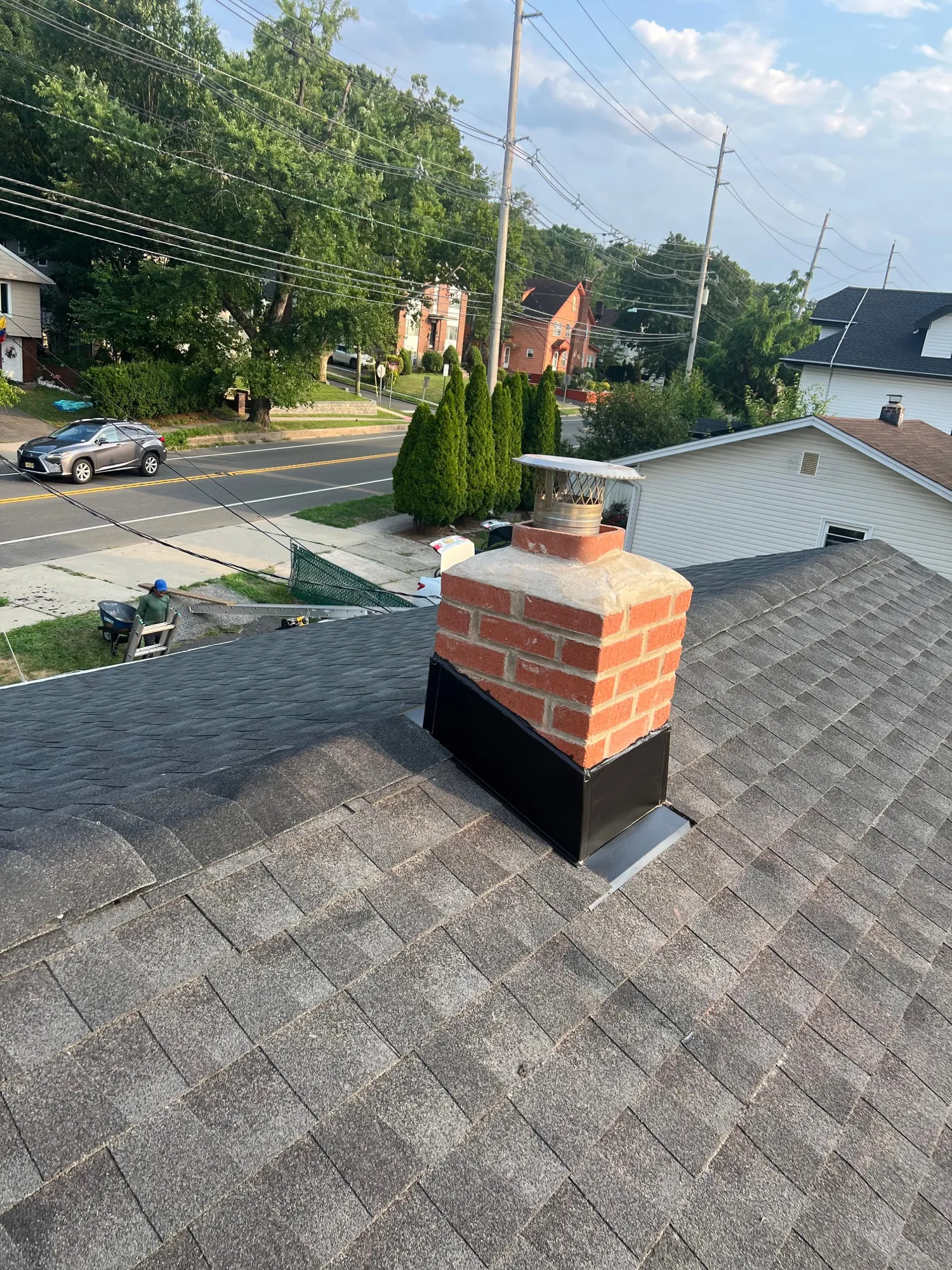
When most people think about “rough seasons for roofs,” they think about winter. But summer in New Jersey is just as hard — different stresses, different damage modes, but real wear and tear.
Here’s how to take care of your roof during the heat months.
1. Keep an eye on the attic temperature
In summer, the attic is the canary in the coal mine for roof health. A properly ventilated attic should be only 10–20°F warmer than the outside air. An unventilated attic can hit 140–150°F on a hot July afternoon.
Why does this matter? Because heat that builds up in the attic radiates up into the underside of the shingles, accelerating their aging from below. Shingles over a hot attic can lose 5–10 years of lifespan compared to identical shingles over a properly ventilated attic.
If your house feels unusually hot upstairs in summer, or your air conditioning struggles to keep up, your attic ventilation may be inadequate. Get it checked.
2. Watch for granule loss after summer storms
Summer in NJ comes with thunderstorms — sometimes severe, often hail-bearing. After any significant storm:
- Check the area below your downspouts for shingle granules (looks like coarse black sand)
- Look at the splash area below the roof eaves
- Walk the perimeter and look up at each roof slope
A small amount of granule loss is normal as a roof ages. A lot of granules suddenly appearing after a storm is a sign of impact damage and potential insurance claim.
3. Trim overhanging branches before storm season
Summer storms produce both wind damage and falling branch damage. Branches that hang over the roof are projectiles waiting to happen — and even ones that just touch the shingles cause wear from constant scraping in wind.
Trim anything within 6 feet of the roof before peak storm season (July–September in NJ). It’s also a good time because you can see the branches clearly and the trees are less stressed than they would be in winter.
4. Check the AC condenser and related penetrations
Many central AC systems have refrigerant lines that penetrate the roof or wall, plus rooftop equipment in some cases. The seals around these penetrations are common leak sources after heavy rain.
Have your roofer (or AC contractor) check the condition of:
- Roof flashings around AC penetrations
- Sealant on rooftop electrical or refrigerant lines
- Drip pans and condensate drains
- Any rooftop equipment mounting points
5. Watch for blistering and bubbling shingles
Heat sometimes causes asphalt shingles to “blister” — small bubbles or raised spots on the surface. Mild blistering is cosmetic. Significant blistering is a sign that:
- The shingles are getting too hot (often a ventilation problem)
- The shingles are at end-of-life
- A manufacturing defect is showing up
If you see new blistering during summer, get the roof inspected. It’s often a precursor to bigger problems.
6. Don’t let leaves and seeds accumulate in spring
Many trees drop seeds, blossoms, and small leaf debris in late spring and early summer. By the time fall comes around, that debris has been sitting on your roof and in your gutters for months.
Mid-summer is a good time for a partial cleanup:
- Hose off any obvious roof debris
- Clean the gutters even if you cleaned them in spring
- Check downspouts for any blockages
Standing debris on the roof traps moisture, encourages moss growth, and accelerates shingle decay.
7. Plan major projects for late summer or early fall
If you’ve been putting off a roof replacement, late summer (August–September) is one of the best windows in NJ:
- Weather is dry and stable
- Temperatures are warm enough for proper shingle adhesion
- You’ll have a fresh roof before winter
- Contractors are typically less booked than spring
We schedule a lot of replacements in this window. Calling in June or July to get on the August schedule gives you the best timing.
Bonus: protect your skin
If you’re doing any work on your own roof during summer (which we strongly recommend against — call us instead), the heat is dangerous. Roof temperatures can exceed 150°F. Heat exhaustion and heat stroke are real risks. Hydrate, take breaks, and stay off the roof during the hottest part of the day.
Better yet: let trained professionals do it. Our crews work in heat year-round, with the right safety equipment and protocols.