Winter Roof Prep: A Homeowner's Checklist for NJ Winters
New Jersey winters are brutal on roofs. Here's the simple checklist every homeowner should run through before the first hard freeze.
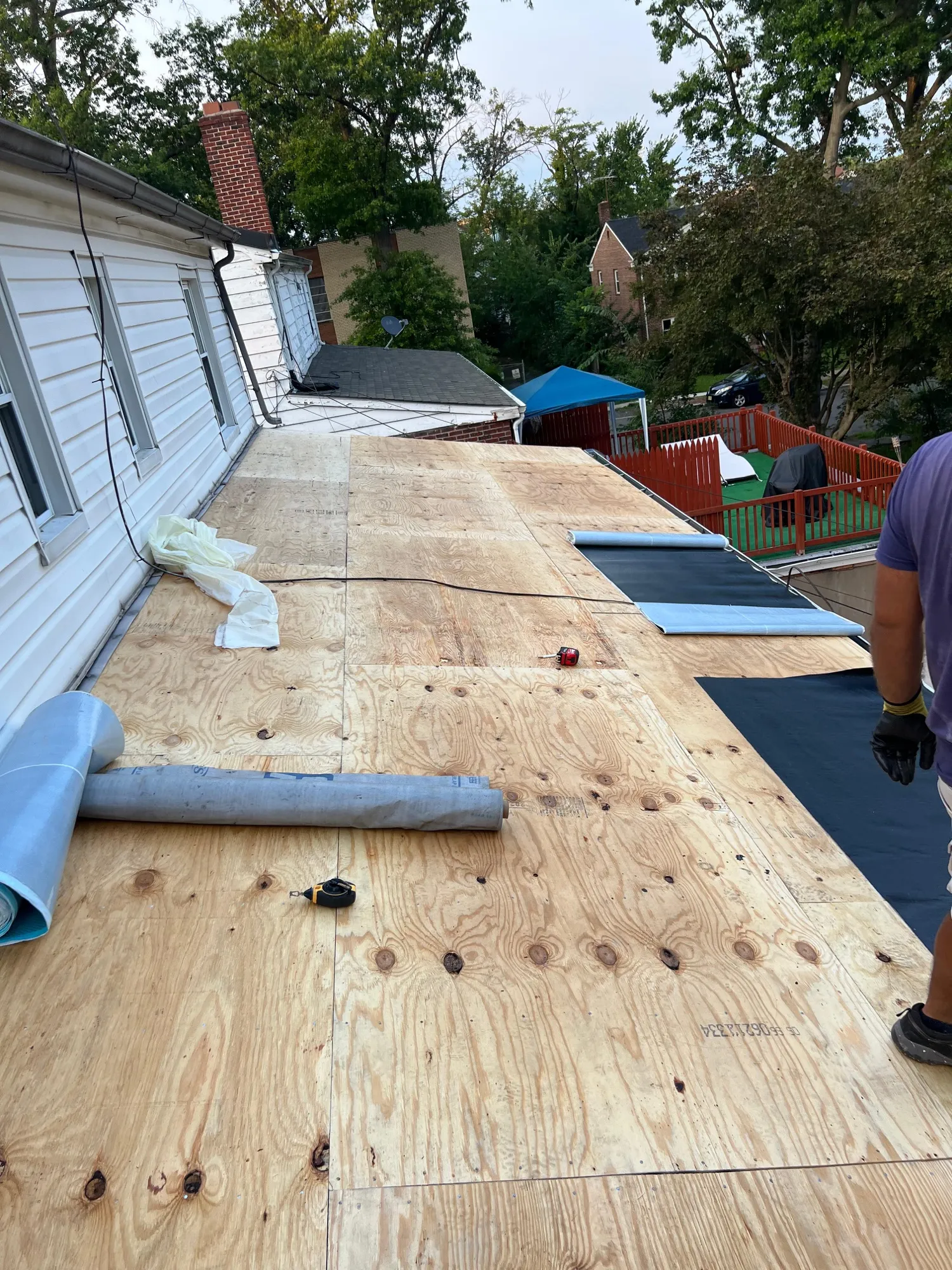
By the time the first nor’easter rolls through New Jersey in December, it’s already too late to do meaningful prep work. The smart move is to get everything ready in October or early November.
Here’s the checklist we walk through with homeowners every fall. Most of it is simple, and most of it can prevent expensive damage.
1. Clean the gutters — twice
Once in early November (after the leaves first drop) and once in late November (after the rest come down). Clogged gutters are the #1 cause of ice dams in New Jersey, and ice dams are the #1 winter roof problem.
If you can’t safely climb a ladder, hire it out. It’s a cheap service compared to the alternative.
2. Look at the gutters from the ground
After cleaning, walk around the house and look up. Are the gutters level, or sagging? Pulling away from the fascia? Rusted at the corners? Now is the time to fix or replace — winter ice will accelerate any existing damage.
3. Check the roof from the ground with binoculars
You don’t need to climb up. Look for:
- Curling, cracked, or missing shingles
- Bare spots where granules have washed away
- Sagging in the roofline
- Damaged flashing around chimneys, vents, and skylights
- Anything that looks “off” compared to last year
If you spot anything, schedule an inspection now — not in January when there’s snow on the roof.
4. Check your attic insulation and ventilation
This is the most overlooked winter prep step. Proper attic ventilation prevents ice dams from forming in the first place.
Here’s why: if heat from your living space escapes into the attic, it warms the underside of the roof. That melts snow. The melted snow runs down the cold eaves, refreezes, and forms an ice dam. Water then backs up under the shingles.
Good ventilation keeps the attic the same temperature as the outside air, so the snow stays frozen.
Things to look for:
- Insulation that covers the attic floor evenly (no gaps near eaves)
- Soffit vents that aren’t blocked by insulation
- Working ridge vents at the top of the roof
If you’re not sure, we’ll inspect for free.
5. Trim back tree branches
Branches that touch or overhang the roof drop debris, scrape shingles, and become projectiles in winter storms. Trim anything within 6 feet of the roof while leaves are off and you can see what you’re doing.
6. Inspect your chimney
Look for:
- Cracked or missing crown
- Spalling or crumbling bricks
- Damaged flashing where chimney meets roof
- Missing or damaged cap
- Signs of efflorescence (white staining)
A failing chimney is much harder to fix in cold weather. Catch it now.
7. Test your sump pump
Not strictly a roof issue, but related: heavy winter snowmelt and spring rains test every sump pump. Make sure yours works before you need it. Pour water into the pit and watch the pump cycle on.
8. Know where your roof shut-off is — wait, that’s not a thing
But know where your water main shut-off is. If a pipe bursts from a roof leak in the middle of January, you need to know how to stop the water before it does more damage.
9. Plan for snow removal
If you have a low-pitched roof or you’re in an area that gets heavy snowfall, plan how you’ll clear snow if needed. Roof rakes are inexpensive and can be operated from the ground.
Don’t ever go up on a snow-covered or icy roof yourself. People die every winter doing this.
10. Schedule a professional fall inspection
This is the one thing that catches what your binoculars can’t see. A trained roofer on the roof spots issues you’d never notice from the ground. Most issues caught in October are easy fixes; the same issues caught in March (after winter does its damage) are expensive ones.
Our fall inspections are free and take about 30 minutes. We’ll send you photos of anything we find, with honest recommendations.